+85511422007
Terrace of the Elephants
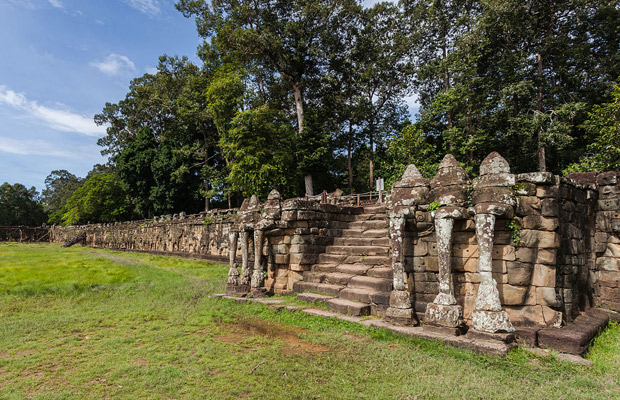
The Elephant Terrace (Khmer: ព្រះ លានជល់ដំរី) is part of the walled city of Angkor Thom, a ruined temple complex in Cambodia. The terrace was used by Angkor King, Jayavarman VII, as a platform to see his victorious army. It was annexed to the palace of Phimeanakas (Khmer: ប្រាសាទភិមានអាកាស), of which only a few remains remain. Most of the original structure was made of organic material and has long since disappeared. Most of what remains is the complex's base platforms. The terrace is named for the elephant sculptures on its eastern face.
The Elephant Terrace (Khmer: ព្រះ លានជល់ដំរី) is part of the walled city of Angkor Thom, a ruined temple complex in Cambodia. The terrace was used by Angkor King, Jayavarman VII, as a platform to see his victorious army. It was annexed to the palace of Phimeanakas (Khmer: ប្រាសាទភិមានអាកាស), of which only a few remains remain. Most of the original structure was made of organic material and has long since disappeared. Most of what remains is the complex's base platforms. The terrace is named for the elephant sculptures on its eastern face.
The 350-meter-long elephant terrace was used as a giant checkpoint for public ceremonies and served as the basis for the king's great auditorium. It has five open works that extend to the Central Square - three in the center and one at each end. The middle section of the retaining wall is decorated with life-size garudas and lions; Toward either end, the two parts of the famous elephant parade complete with their Khmer mahouts.
View Mores Temple Guide
Prasat Ak Yum
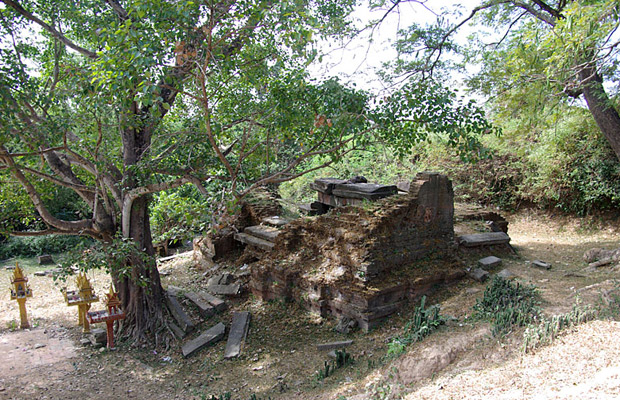
Ak Yum (Khmer: ប្រាសាទអកយំ) is an ancient temple in the Angkor region of Cambodia. [2]: 350,352 Helen Jessup dates from the temple until the 8th century and states that it is ...

Preah Vihear Temple
Preah Vihear Temple (Khmer: ប្រាសាទព្រះវិហារ Prasat Preah Vihea) is an ancient Hindu temple built during the period of the Khmer Empire, which sits atop a 525-meter ...
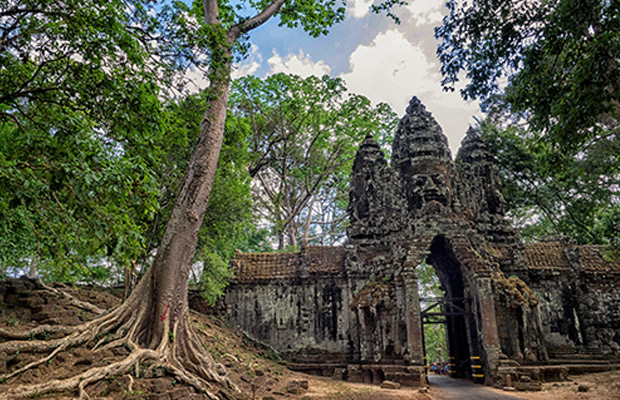
Angkor Thom North Gate
Out of 5 gates giving access to the royal Khmer city of Angkor Thom, only two are heavily trafficked. Being on the Petit Circuit through the Angkor Archaeological Park, the South Gate (the busiest ...
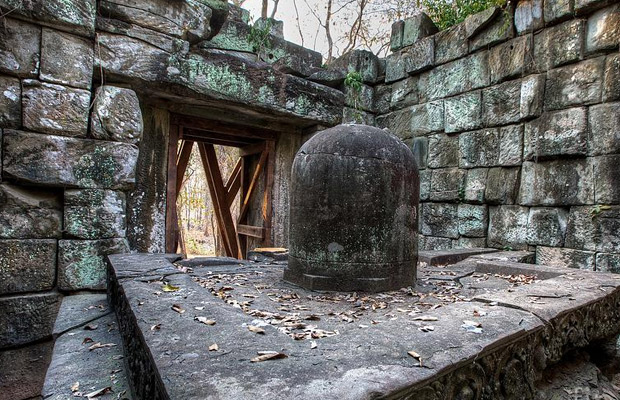
Prasat linga
The nearest monuments to the main temple complex of Koh Ker of Prasat Thom are five isolated temples belonging to the Northeast group. Each of them housed a monolithic decorated Lingam of enormous ...
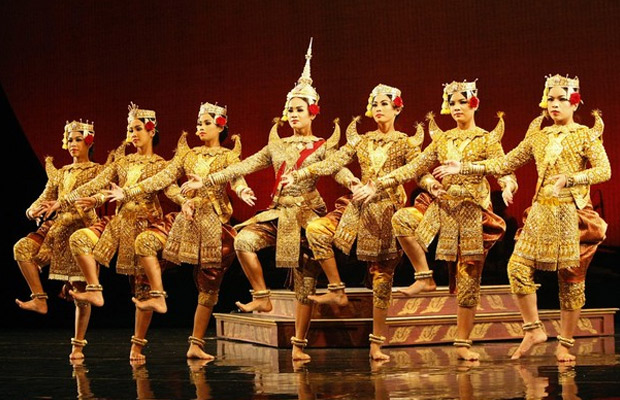
Khmer Classical Dancing
The Grande Hotel in Angkor has a restaurant and stage by the river that features nightly performances of apsara style dancers. The show and dinner buffet is $ ...

Banteay Chhmar
Banteay Chhmar (Khmer: បន្ទាយឆ្មារ) is a commune (khum) in the district of Thma Puok in the province of Banteay Meanchey in northwestern Cambodia. It is located 63 km north of ...

Neak Pean Temple
Neak Pean (or Neak Poan) [2] (Khmer: ប្រាសាទនាគព័ន្ធ) ("The intertwined serpents") in Angkor, Cambodia is an artificial island with a Buddhist temple on a circular ...
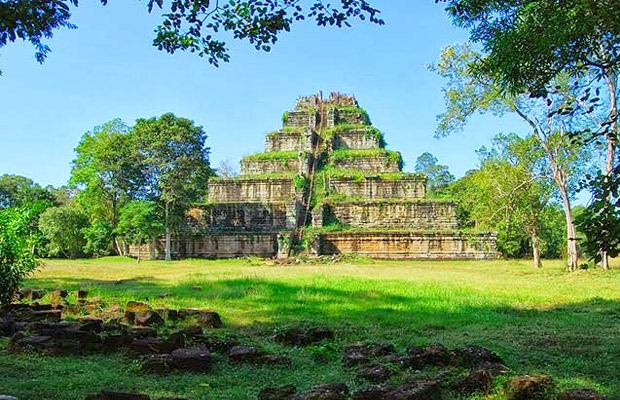
Koh Ker
Koh Ker (Khmer: ប្រាសាទ កោះ កេ រ្ដិ៍) is a remote archaeological site in northern Cambodia, about 120 kilometers (75 mi) away from Siem Reap and the ancient site of ...

Bakong Temple
Bakong (Khmer: ប្រាសាទបាគង) is the first mountain of the sandstone temple built by the rulers of the Khmer empire in Angkor, near modern Siem Reap in Cambodia. In the last ...
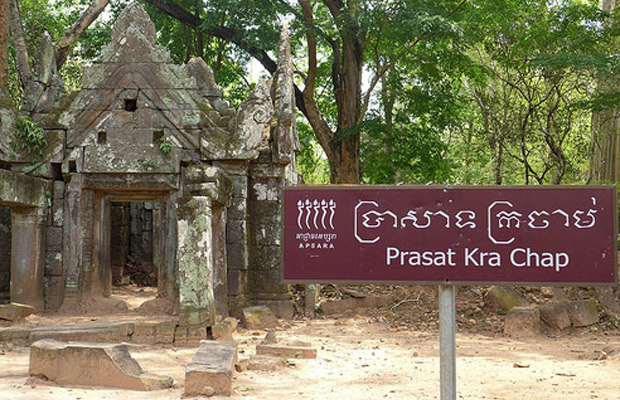
Prasat Kra Chap
Prasat Kra Chap is a compact temple comprising two rather well preserved gopuras and the ruins of five towers arranged in a quincun. Thanks to the surviving inscriptions on the doorframes, we know ...

Khleangs(North Khleang and South Khleang)
The Khleangs are two buildings of unknown purpose on the east side of Royal Square in Angkor Thom, Cambodia, located just behind the twelve towers of Prasat Suor Prat and separated by the royal route ...
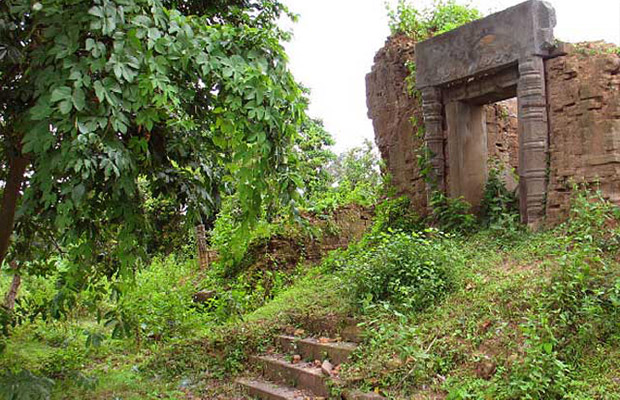
Prasat Kutisvara
Three prasats in a severe state of ruin with some still visible sculptures to come. Kutisvara is historically significant in that it was mentioned in an inscription in connection with the 9th century ...