+85511422007
Srah Srang
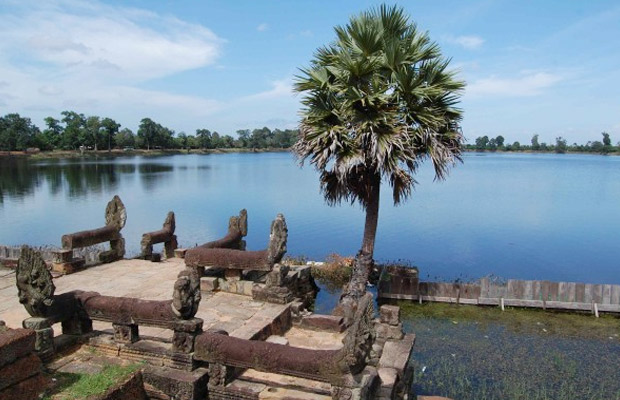
Srah Srang (Khmer: ស្រះស្រង់) is a baron or reservoir in Angkor, Cambodia, located south of East Baray and east of Banteay Kdei. It was excavated in the middle of the tenth century, on the initiative of Kavindrarimathana, Buddhist minister of Rajendravarman II. [1] Later, it was modified around 1200 by Jayavarman VII, [125] which also added the laterite landing stage on the west side, probably because the East Baray had been dominated by sediments and had begun to function bad. [3] French archaeological expeditions have found a necropolis near it.
Srah Srang (Khmer: ស្រះស្រង់) is a baron or reservoir in Angkor, Cambodia, located south of East Baray and east of Banteay Kdei.
It was excavated in the middle of the tenth century, on the initiative of Kavindrarimathana, Buddhist minister of Rajendravarman II. [1] Later, it was modified around 1200 by Jayavarman VII, [125] which also added the laterite landing stage on the west side, probably because the East Baray had been dominated by sediments and had begun to function bad. [3] French archaeological expeditions have found a necropolis near it.
Currently, Srah Srang measures 700 by 350 m and is still partially flooded. Like other bardias, there might have been a temple on an artificial island in the middle of it, as suggested by finding a basement. The landing, opposite the entrance of Banteay Kdei, is a popular site to see the sunrise. It is cruciform, flanked by balustrades nāga that end with the vertical head of a serpent, mounted by a garuda with the wings unfolded. The steps leading up to the water are flanked by two guardian lions.
A 1600-square-meter cemetery was discovered in the northwest corner of the reservoir. The burial jars containing cremated remains and other artifacts dating from the reign of Udayadityavarman II were excavated by B.P. Groslier. [2]: 104
View Mores Temple Guide

Preah Pithu
Preah Pithu (Khmer: ប្រាសាទព្រះពិធូរ), or Prasat Preah Pithu, is a group of five temples in Angkor, Cambodia. In fact, they probably were not designed as a group. ...

Banteay Chhmar
Banteay Chhmar (Khmer: បន្ទាយឆ្មារ) is a commune (khum) in the district of Thma Puok in the province of Banteay Meanchey in northwestern Cambodia. It is located 63 km north of ...
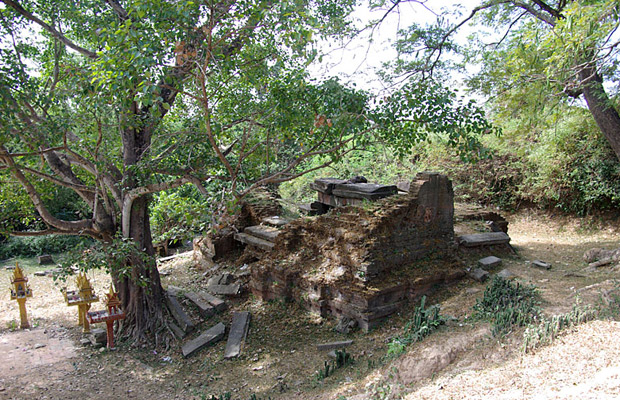
Prasat Ak Yum
Ak Yum (Khmer: ប្រាសាទអកយំ) is an ancient temple in the Angkor region of Cambodia. [2]: 350,352 Helen Jessup dates from the temple until the 8th century and states that it is ...
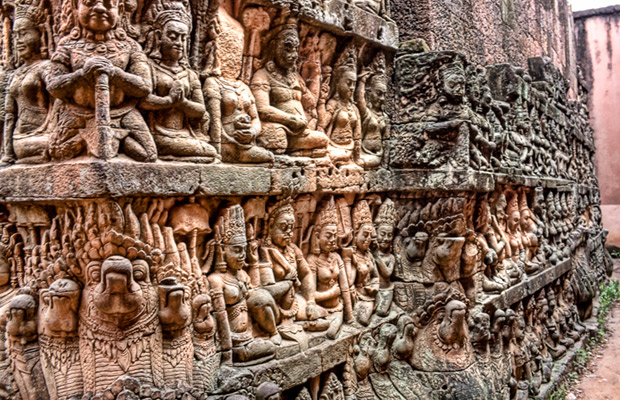
Terrace of the Leper King
Leper King Terrace (Khmer: ព្រះ លាន ស្តេ ច គម្លង់, Preah Learn Sdech Kunlung) is located in the north-west corner of the Royal Square of Angkor Thom in Cambodia. ...
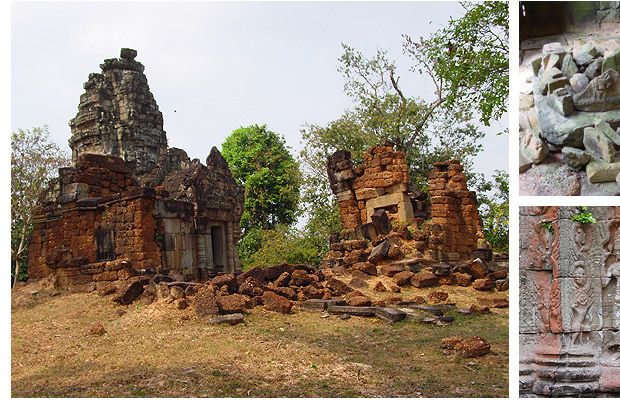
Prasat Prei
Small temple ruins unite in a forest setting near Neak Pean. Remains of a gopura, the central tower and halls, and the vestiges of a library and surrounding wall. Some apsara and lintel sculptures. A ...
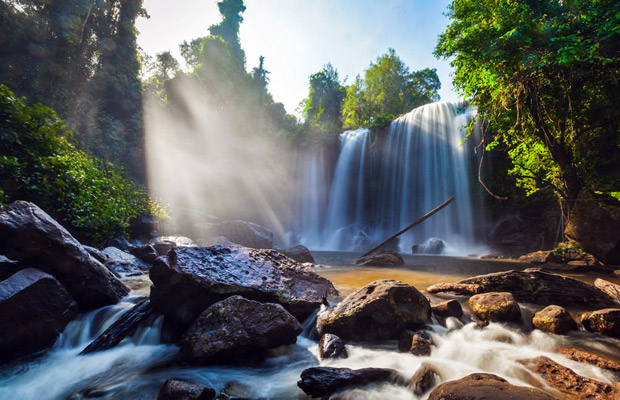
Phnom Kulen
The Phnom Kulen mountain range is located 30 km north of Angkor Wat. Its name means "mountain of lychees". [3] There is a sacred site at the top of the hill. Phnom Kulen is considered a sacred ...

Preah Vihear Temple
Preah Vihear Temple (Khmer: ប្រាសាទព្រះវិហារ Prasat Preah Vihea) is an ancient Hindu temple built during the period of the Khmer Empire, which sits atop a 525-meter ...
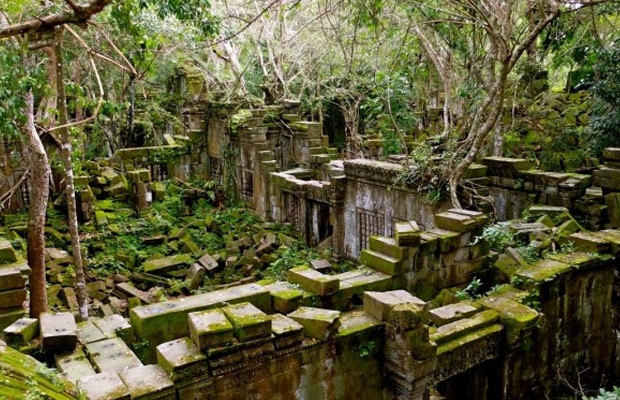
Beng Mealea
Beng Mealea or Bung Mealea (Khmer: ប្រាសាទបឹងមាលា, the name means "lotus pond" [1]) is a temple in the Angkor Wat period [2]: 118-119 located 40 km east of the main group ...

Chau Say Tevoda
Chau Say Tevoda is a temple in Angkor, Cambodia. It is located east of Angkor Thom, directly south of Thommanon, through the Victory Path (before the previous date and post-dates). Built in the ...

Banteay Kdei Temple
Extensive monastic complex, largely unrefurbished, in the same style as Ta Prohm. It was originally built on the site of an earlier temple, and functioned as a Buddhist monastery under Jayavarman ...
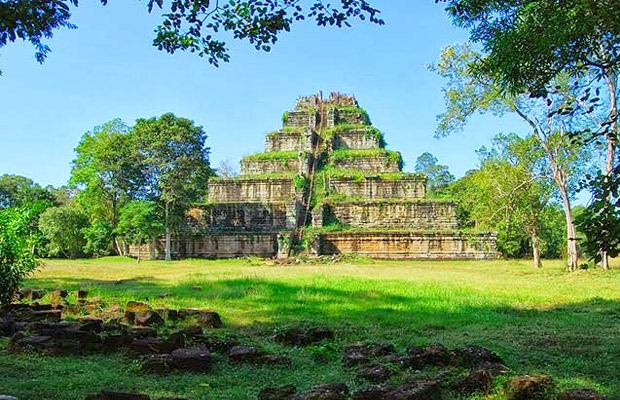
Koh Ker
Koh Ker (Khmer: ប្រាសាទ កោះ កេ រ្ដិ៍) is a remote archaeological site in northern Cambodia, about 120 kilometers (75 mi) away from Siem Reap and the ancient site of ...
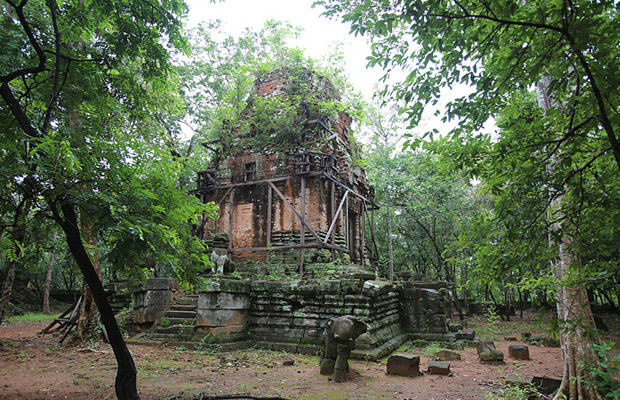
Prasat Sras Damrei
Prasat Damrei is named for the elephants guarding the four corners of the shrine ('damri' is Khmer for 'elephant'). The temple was built in honor of Shiva, which was worshiped here as a linga mounted ...