+85511422007
Kampong Phluk floating village
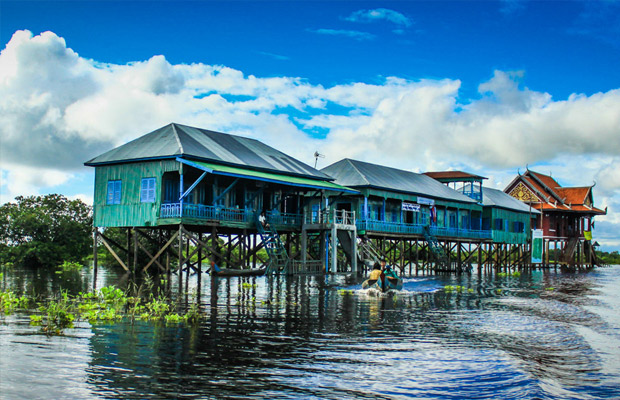
Kampong Phluk is a set of three villages of slaughter houses built within the floodplain about 16 km southeast of Siem Reap. The villages are mainly Khmer and has about 3000 inhabitants among them. The flooded mangrove forest surrounds the area and is home to a variety of wildlife including monkeys eating crab.
Kampong Phluk is a set of three villages of slaughter houses built within the floodplain about 16 km southeast of Siem Reap. The villages are mainly Khmer and has about 3000 inhabitants among them. The flooded mangrove forest surrounds the area and is home to a variety of wildlife including monkeys eating crab. During the dry season when the lake is low, the buildings in the villages seem to rise above their six-meter stilts exposed by lack of water. At this time of year, many villagers move to the lake and built temporary homes. In the wet season, when the water level rises, the villagers return to their permanent homes in the floodplain, the stilts now hidden underwater. The economy of Kampong Phluk is, as might be expected, based on primary fisheries in shrimp harvesting.
Kampong Phluk sees comparatively few foreign visitors and offers a close look at the submerged forest and village life on the lake. The area can be reached by boat through Chong Khneas or by road. Make arrangements through your tour operator's tour company, or charter a boat on the docks of Chong Khneas. During the rainy season, head to the village of Roluos, just off Route 6, east of Siem Reap and then take a boat through the flooded forest the rest of the way. During the dry season the road is clear making the boat unnecessary. Much of the road has recently been improved, now paved for most of the way.
Kompong Phluk Floating Village is a permanent floating village, and is about 25 kilometers east of Chong Khneas. Here is a much better option for you to visit a village on the lake. Kompong Phluk is only accessible by boat. Kompong Phluk is a relatively small village that provides a very good view of the village lifestyle of Tonle Sap. This village exists almost exclusively in fishing and related activities. The houses are built on stilts up to 10 m high, and the village is surrounded by a flooded forest.
View Mores Temple Guide

Prasat Aur Pha On
The Orpong temple is one of the other temples in the Kulen mountains, such as Prasith Damrey Krab, Tzu Chi Chinese, etc., built on the throne of Jayavarman II. The temples are mostly built of ...

Phnom Bakheng
Phnom Bakheng in Angkor, Cambodia, is a Hindu and Buddhist temple in the shape of a temple mountain. Dedicated to Shiva, it was built at the end of the 9th century, during the reign of King ...

Banteay Samre Temple
Banteay Samre is one of the most complete complexes in Angkor due to restoration using the anasthylosis method. Unfortunately, the lack of maintenance in the last 20 years is ...
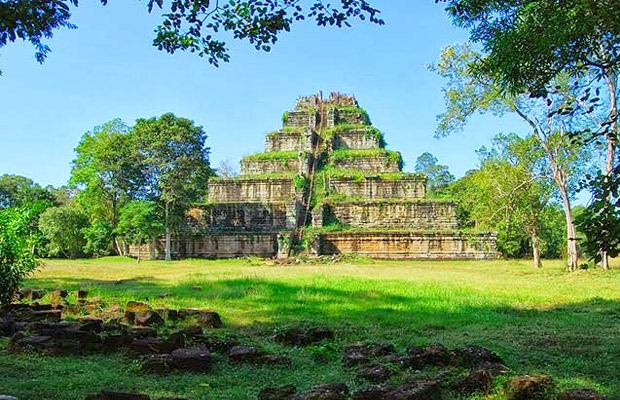
Koh Ker
Koh Ker (Khmer: ប្រាសាទ កោះ កេ រ្ដិ៍) is a remote archaeological site in northern Cambodia, about 120 kilometers (75 mi) away from Siem Reap and the ancient site of ...
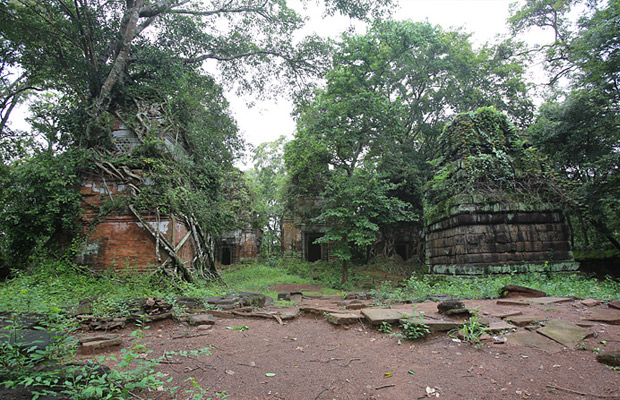
Prasat Pram
This small temple is in a fair state of preservation, with three surviving sanctuary towers and two libraries. While the walls of the siege survive, the eastern gopura of the temple does not exist ...
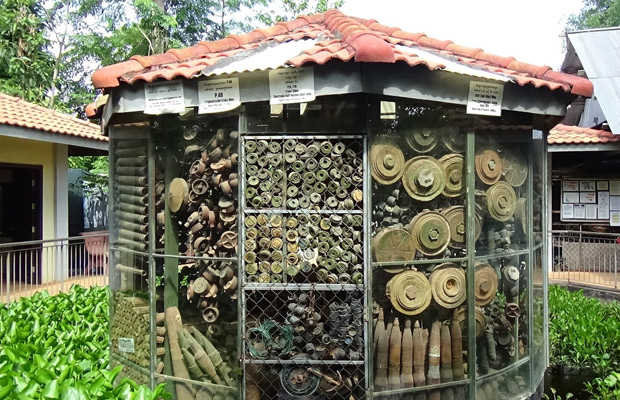
Cambodia Landmine Museum
The Land Mine Museum is run by Aki Ra, a former child soldier and layer of Khmer Rouge land mines. He began by transforming the garden of his house into a museum of mines and other ammunition. The ...
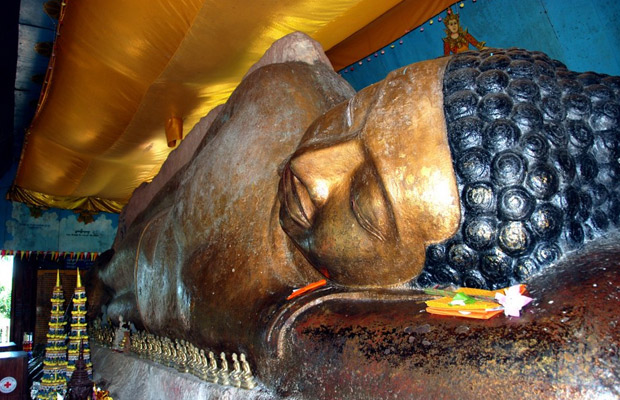
Preah Ang Thom
Preah Ang Thom (Khmer: ព្រះអង្គ ធំ) is an 8-meter tall statue of the reclining Buddha that strikes nirvana. The statue is carved into a huge sandstone rock. Preah Ang Thom is the ...
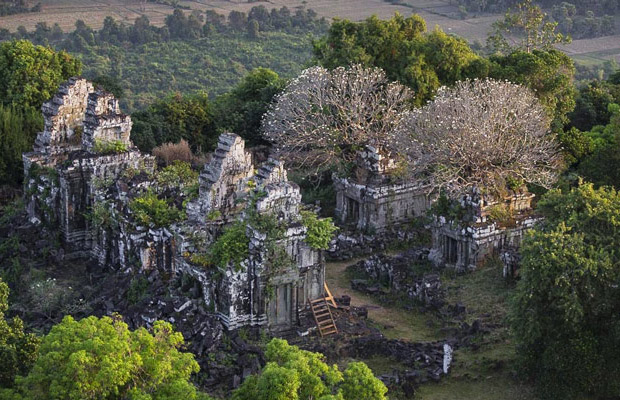
Phnom Bok
Phnom Bok (Khmer: ភ្នំ បូក) is a hill in the northeast east of Baray in Cambodia, with a prasat (Khmer: ប្រាសាទភ្នំបូក) of the same name built on it. It is ...

Prasat Wat Athvea
Wat Althea, also called Prasat Vat Althea, is a 12th century Hindu temple in Angkor, Cambodia, with an active Buddhist temple and burial ground, located next to the ancient walled structure. It is ...

Prasat Thom
The main monument in Koh Ker is Prasat Thom. The stairway to the top is open to a limited number of visitors and the views are spectacular if you can stretch the heights. About 40 entries, dated from ...
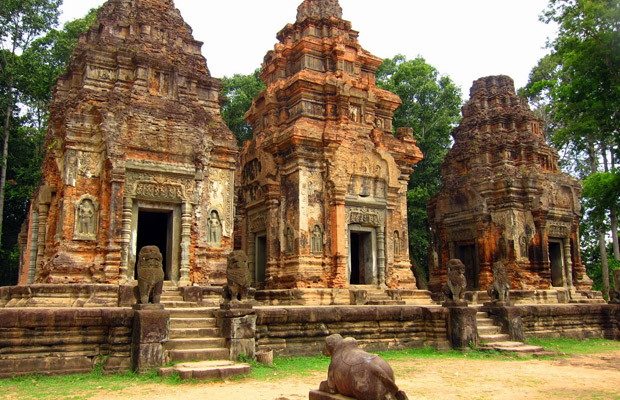
Preah Ko Temple
Preah Ko (Khmer: The Sagred Bull) was the first temple to be built in the ancient and now extinct city of Hariharalaya (in the area now called Roluos), about 15 kilometers southeast of the main Group ...
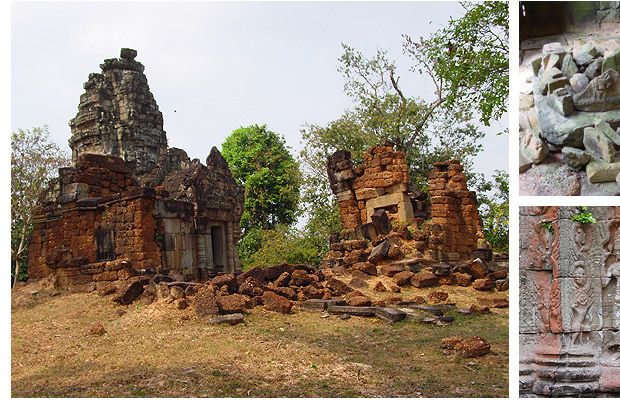
Prasat Prei
Small temple ruins unite in a forest setting near Neak Pean. Remains of a gopura, the central tower and halls, and the vestiges of a library and surrounding wall. Some apsara and lintel sculptures. A ...